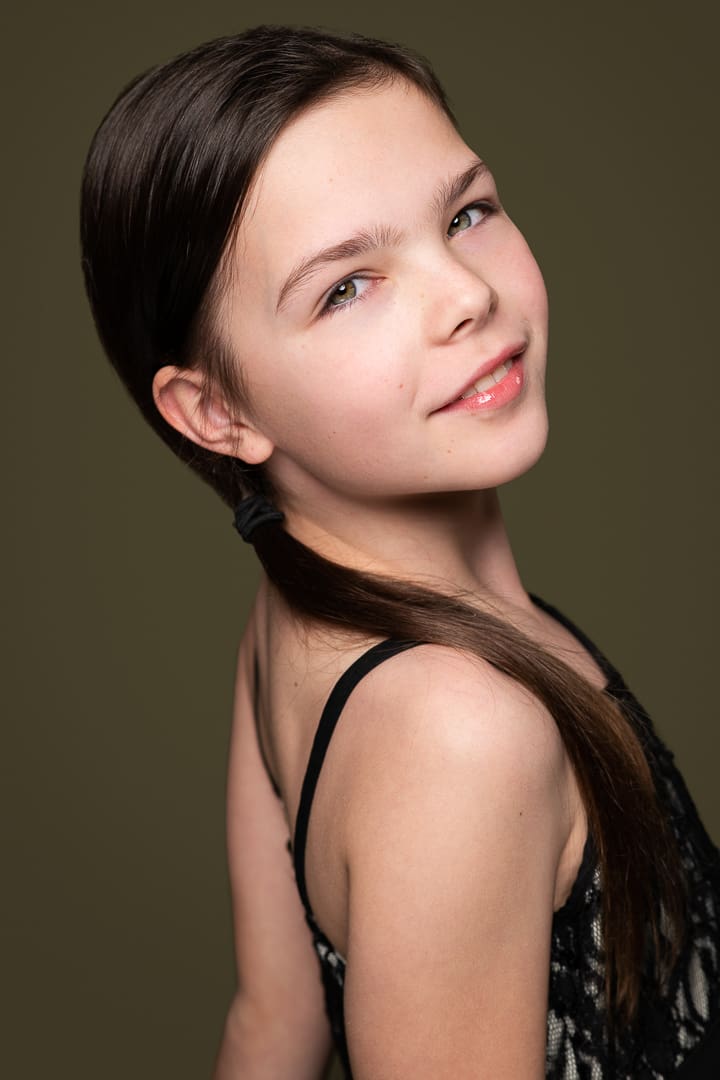
As a professional acting headshot photographer based in Melbourne, I wrote this blog post to showcase how you can incorporate colour into your acting headshots. If you would like to learn more about my actor headshot sessions, click the button below.
I love colour! If you have seen my work, you will probably have figured this out by now. I absolutely loved the colours of houses across, Italy, Greece and Cyprus. Even the coordinated colours across the streets of Spain. Colours and texture were everywhere on my travels, and it is something I try and really think about in my headshot photography. Influenced by my trip overseas, a lot of my actor headshots incorporate block colour in a studio look.
Acting Headshots with a simple studio look:
Actor headshots are so important, but of course not every actor enjoys the process of ticking this ‘must’ off their to-do list. It can be a little tedious or daunting figuring out what to do with headshots. There is that question of ‘studio or outdoors?’, and then things to consider like ‘what to wear?‘, ‘do I shave or not?’, ‘how do I wear my hair?’ and ‘how do I not look awkward?’.
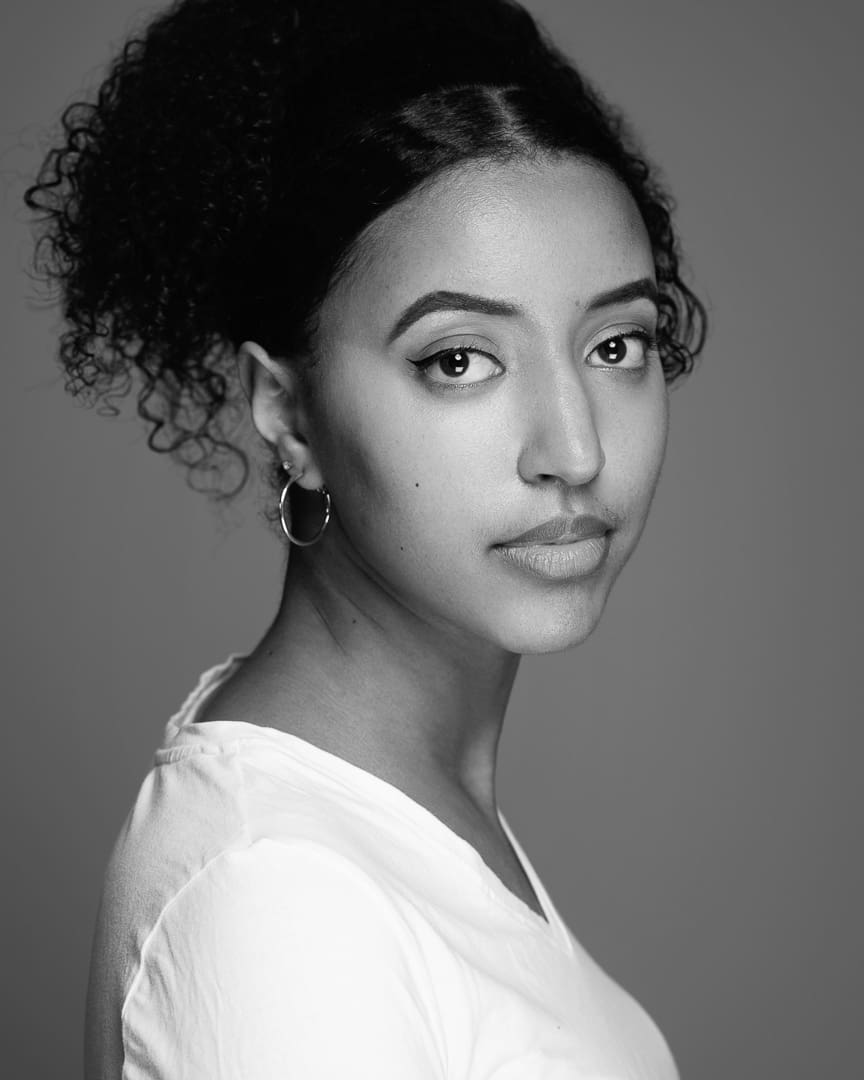
The classic studio look is usually very simple. There is nothing wrong with a neutral background: white, grey or black. These are the classics. They are clean, keep the focus on you, and tie in well with most outfit choices. They create that strong classic headshot look, and it works well in a professional environment too
Using Colour In the studio:
As I mentioned earlier, it was my exploration of Europe that I believe has influenced the use of colourful backdrops in my actor headshots work. I also find colour really fun to use as a visual tool. It pops, it draws attention, and it can tie a headshot together by linking outfits, skin tone, hair colour, eye colour – the works.
After I launched my first studio, I set myself out to create some colour block backdrops. I needed options that I could easily prop up in the studio, with a bit of texture, light and easy to move, and safe to be around. Paper backdrops were common, but I wanted something that was my own. I also wanted something sturdy and textured. The solution I came to was poly boards. These are commonly used as insulation. They were easy to paint, safe, and sturdy.
I went to Bunnings and picked out some colours that I felt were both fun, versatile and would work for bright headshot backdrops. Orange, being one of my favourite colours, was a must. I picked pink because it pops. Blue because it is versatile. Green to have both a pastel or vivid option available. Tan, because it can be so soft and flattering. And Black – because it was practical from a photography standpoint (not just for backdrops, but for cutting light when needed).
[2026 update]: Now, I also incorporate paper roll backdrops, which also give the opportunity for full-length seamless photography backgrounds too. I still have my polyboard backdrops, and also often use post-production to create specific tones (more on that later).
Actor Headshots to stand out:
I love incorporating colour into my actor headshot sessions. At my old studio, when doing an outdoor shoot, I would often set up a quick natural light look in the studio doorway with one of these backdrops. This gave a different lighting style and provided an additional option for clients who strictly wanted natural light headshots. Below are natural light shots taken at my previous studio. The simple backdrop creates colour to complement and bring life into the image.
Utilising different lighting also does the job nicely. A look can be easily varied with simple lighting changes. In particular, for actor headshots, conveying emotions and characters can be enhanced by lighting. The influence of clothes and overall style is important to consider, too.
If you know your type, it can be helpful to consider how your headshot can convey this type. Going along with this, as a photographer, I need to keep this in mind too.
An example would be setting the lighting for a fun, comedic feel vs a headshot for roles with more of a dramatic edge.
A different approach:
While I love my painted backdrops, sometimes I utilise a different technique in my work. When shooting against a clean, pale wall (or even a coloured background) often I can add a tint or variation in post production.
Post production allows for the image to become more versatile. I can tweak the exact colours and shades to something that really works for the image. An example would be pulling a colour out of clothing, or picking a colour to complement eye, skin and hair colour.
The key is to make sure realism is maintained. That is, not creating a cut-out effect. Realism means refined edge detection – not losing the edges of the hair, the stubble of facial hair, the frills of clothing. The colour should effectively just replace what was there. It takes a bit of technique in both the shooting and editing process to get this right, but it can create a lovely effect: